 Vladimir
 Yatskevich at Senezh: What a conductor hears in his in-ear monitor
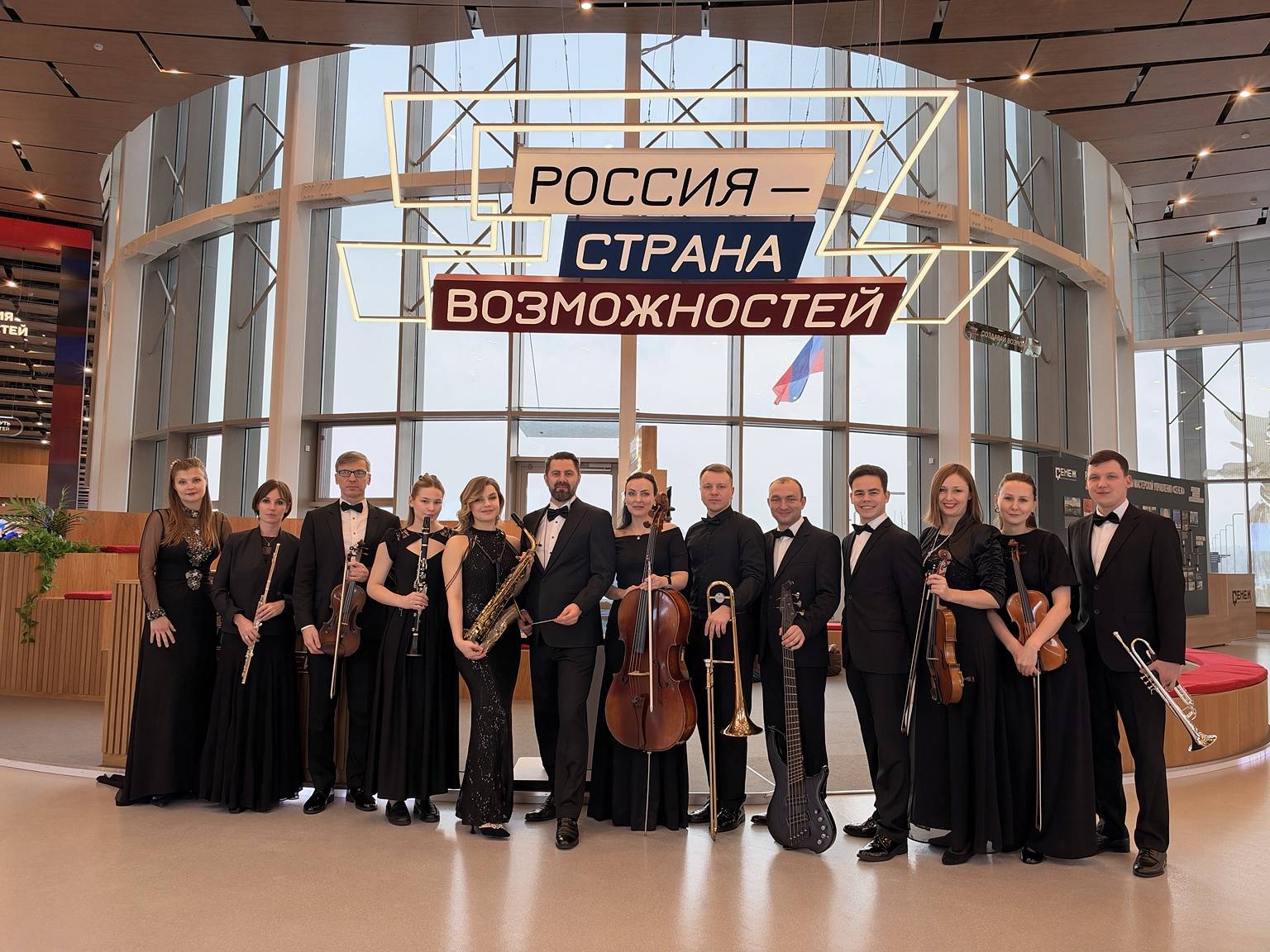
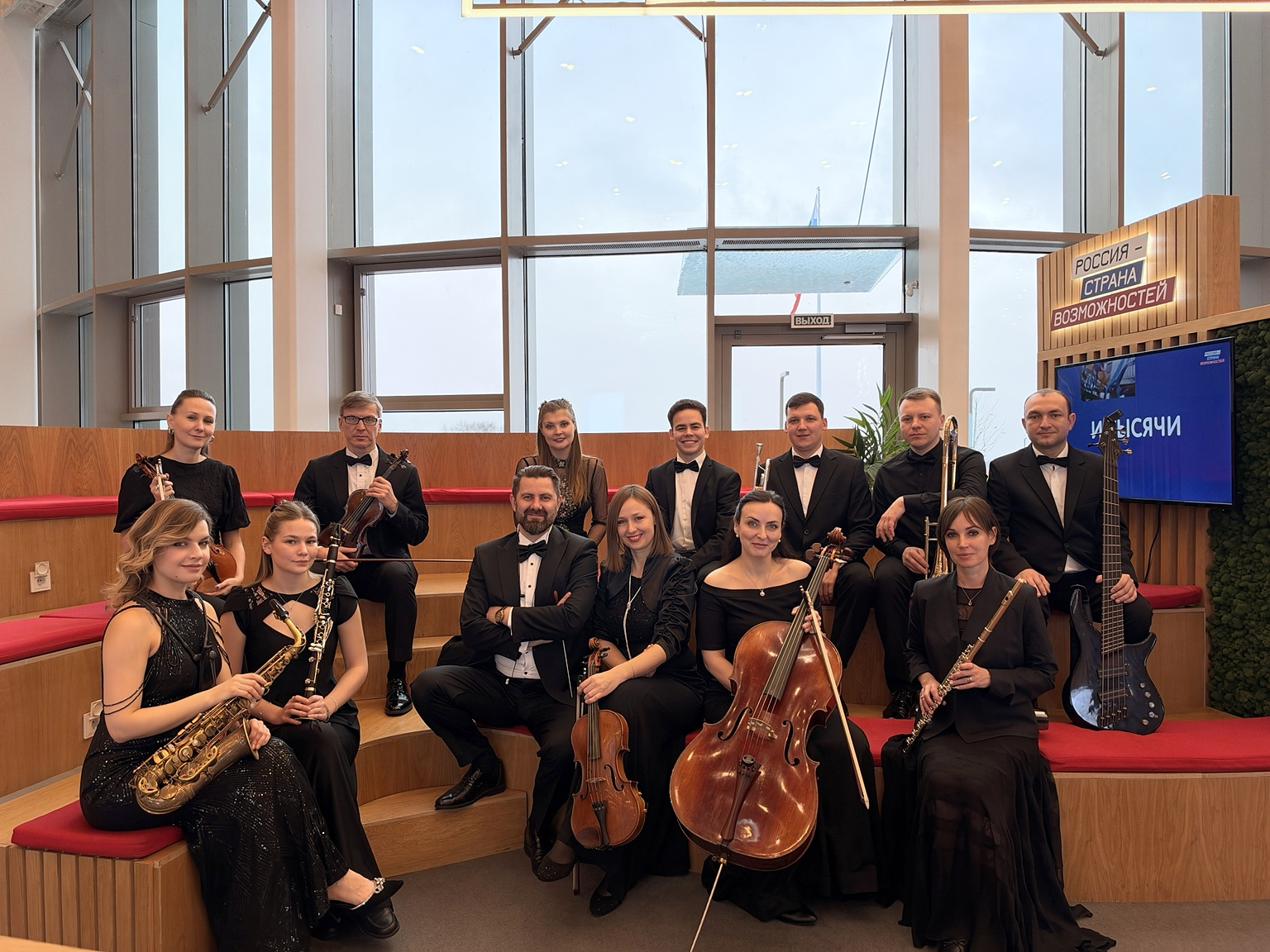
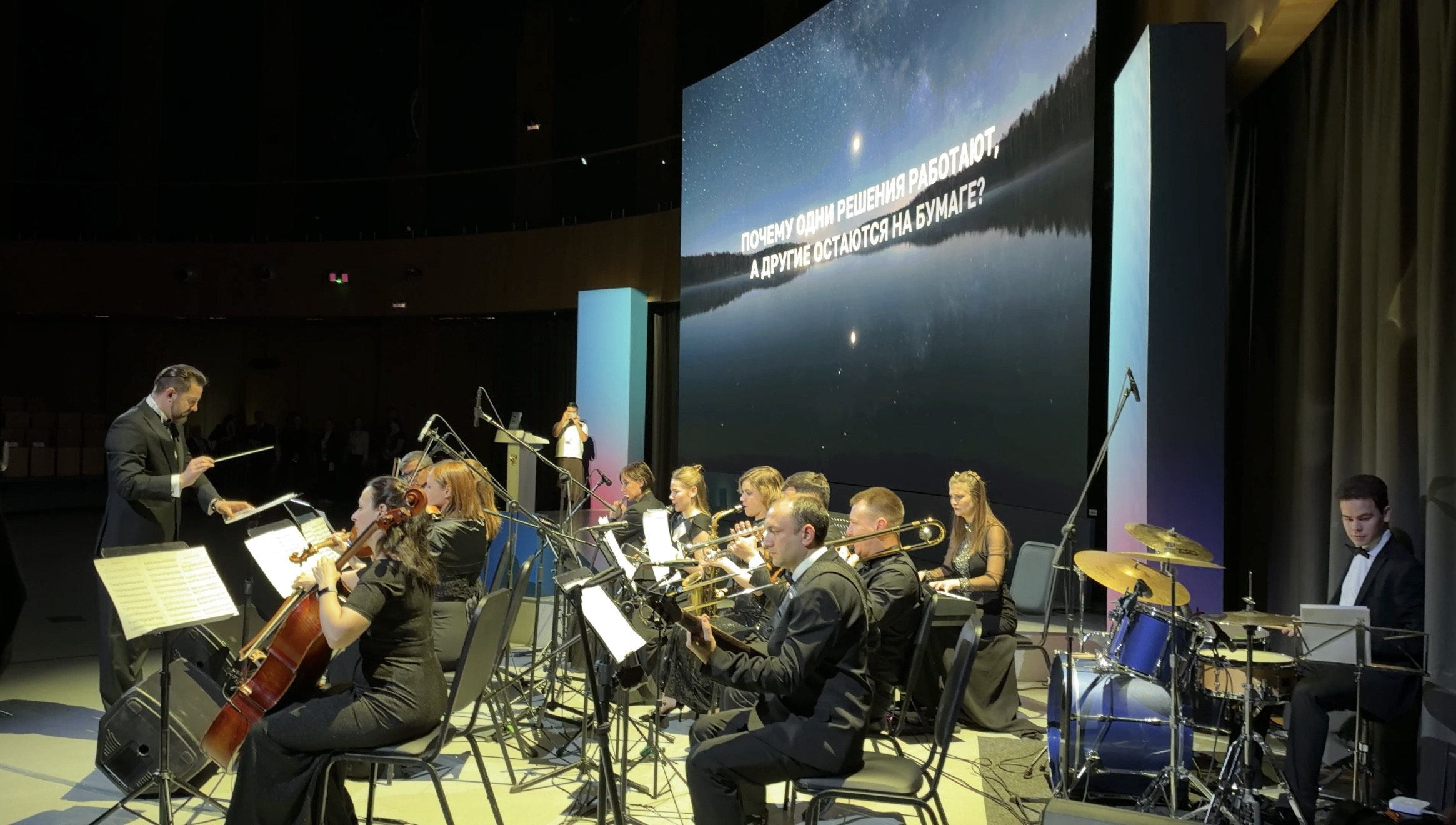
On 23 November 2026, Vladimir Yatskevich conducted the chamber line-up of Moscow City Orchestra at the opening of the Senezh conference. The musicians performed the opening prologue and the national anthem of the Russian Federation and accompanied the speakers as they came onstage. The orchestra was positioned beside the screen. Yatskevich explains what he heard in his in-ear monitor and how he worked with the production crew.
What brought you back to Senezh?
I had already given several lectures and concerts for participants in Senezh’s educational programmes. This time we came with the chamber orchestra to open the conference. It’s a pleasure to return, and I’m grateful to the organisers for trusting us with the opening again.
What did you check when you arrived at the venue?
I started with the seating. The musicians need to see me, hear one another and read their music comfortably. I check all of that from the places where they’ll actually play. Then I work with the sound engineer. Each instrument is individually miked, but we still need to find the sound of the whole ensemble. We set up the monitors separately so the players can hear what they need during the performance.
What could you hear in your in-ear monitor?
I could hear both the orchestra and the show director. As I’m conducting, I also have to know what happens next. When a speaker is about to come on, the director cues me and I pass that cue to the orchestra with a gesture.
How was the music organised?
The conference organisers set the running order. We played the prologue and the national anthem as part of the opening protocol. We also prepared several musical cues for the speakers’ entrances. Each cue had its own place in the running order.
Why does a conductor need to talk to the lighting crew?
Imagine a musician looking up from the score to catch my gesture and getting a spotlight straight in the eyes. Or a stage that looks beautiful from the audience while the music is hard to read on the stand. You find those things out by looking from the musician’s seat.
I love the hall at Senezh. The sound engineer and I check how the orchestra sounds and what the musicians can hear. The lighting crew and I check what they can see. With the director, I go through the running order. All of that work comes together at the conductor’s stand.
Watch the orchestra at Senezh