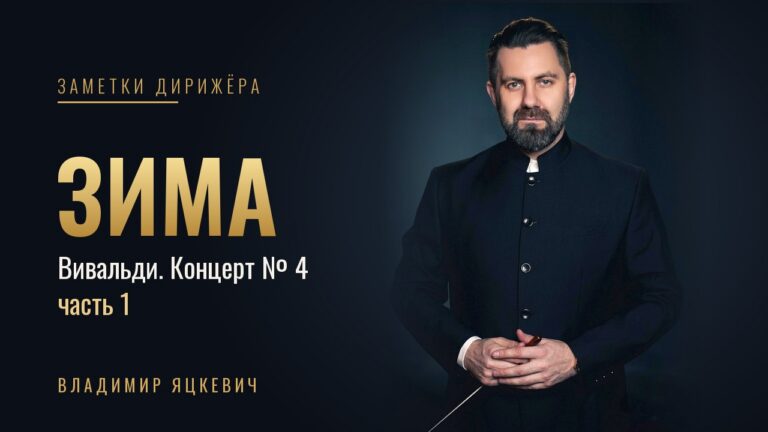
 Vladimir
Bach’s Badinerie: Lightness Built on Mastery
Bach’s Badinerie from the Second Suite lasts less than three minutes, but it holds so much air and precision that only the listener finds it easy to play.
In this episode
- The flute. How the flute leads the melody.
- The orchestra. Where the orchestra breathes together with the flute.
- Freshness. Why this music still sounds fresh.
Bach’s Second Suite: one of four orchestral suites
Johann Sebastian Bach wrote four orchestral suites. The Second is written in B minor for strings and flute, and it is the flute that is given the role of soloist. The suite is crowned by the Badinerie, that light and swift music which in less than three minutes shows all the author’s mastery.
Seven movements and an unusual set of dances
The Second Suite consists of seven movements. The usual dance suite was built on four dances: allemande, courante, sarabande and gigue. Here Bach chose others: from the basic cycle only the sarabande remained. The suite contains an overture, rondeau, sarabande, bourrée, polonaise, minuet and Badinerie. This is one of the reasons the suite is so memorable: the familiar scheme is only partly preserved, and the rest the composer did in his own way.
Today Vladimir Yatskevich, conductor of Moscow City Orchestra, explains how the flute leads the melody, where the orchestra breathes with it and why this music still sounds fresh. More about him on the page “Vladimir Yatskevich”. Other episodes are in the series “Conductor’s Notes.”
Bach live: Moscow City Orchestra
Moscow City Orchestra under Vladimir Yatskevich performs Baroque and classical music live: at concerts, corporate evenings, celebrations and private events. For a chamber evening the ensemble from the page “Chamber Orchestra” will suit; for a larger program, the pages “Orchestra for a Concert” and “Orchestra for a Corporate Event.” We will tailor the program and lineup to your event. An overview of the ensembles is on the page “Orchestra.”