 Vladimir
Doga’s Waltz from “My Sweet and Tender Beast”: What Is Hidden in the Score
Evgeny Doga’s Waltz from the film My Sweet and Tender Beast (1978). The conductor opens the score and shows how the most recognizable waltz in Russian cinema is built.
In this episode
- how the waltz came to be in a single night before filming began;
- how the clarinets lead the theme and the strings answer it;
- why the composer brought a chorus into the orchestra and what it means;
- how F minor makes the waltz uneasy.
The waltz written in one night before filming
The director wanted to shoot to ready-made music, but there was no music. The composer sat down at night in the manor house and played out the theme. The conductor opens the score and shows how the clarinets lead the theme, how the strings answer and why a chorus was brought into the waltz.
Conductor’s Notes is a series about what can be seen in the score and heard in the hall.
Eugen Doga’s Waltz from “My Sweet and Tender Beast”: the story, the music, the performance
Eugen Doga’s waltz from the film “My Sweet and Tender Beast” (known in the West as “A Hunting Accident”) is often called the most famous film waltz of all. People recognise it from the first bars, even if they have never seen the picture. This page collects what is worth knowing about the film and the music: where the story comes from, who made it, how the waltz is built and what to listen for when an orchestra plays it.
About the film: Chekhov, Loteanu, 1978
“My Sweet and Tender Beast” is a Soviet feature film directed by Emil Loteanu and released in 1978. It is based on an early novel by Anton Chekhov, “The Shooting Party” (also translated as “A Drama on the Hunt”), which the writer created in the mid-1880s. It is a story of love, jealousy and crime in provincial Russia, and Loteanu turned it into a beautiful, unhurried and deeply musical film.
The leading roles were played by Galina Belyaeva, Oleg Yankovsky, Kirill Lavrov and Leonid Markov. For Galina Belyaeva the role of Olga was her debut in a major film. Produced by the Mosfilm studio, the picture took part in the competition programme of the 1978 Cannes Film Festival and became one of the notable Soviet films of its time.
The composer Eugen Doga
Eugen Doga (1937–2025) was a Moldovan composer and one of the best-known authors of film music in the Soviet Union and beyond. He worked with director Emil Loteanu for many years, starting with the film “Queen of the Gypsies”. Doga’s music is always built on a broad, singing melody that the listener remembers at once, and such a melody is the best possible material for an orchestra.
The waltz from “My Sweet and Tender Beast” became the composer’s signature piece. As our episode tells it, the theme appeared literally on the eve of filming: the director wanted to shoot to ready-made music, and there was no music yet.
How the waltz is built: what a conductor hears
It is a waltz in the classical three-beat metre, but its mood is far from a ballroom. The minor mode makes the melody uneasy and sad, which is exactly why it suits a story where a beautiful surface hides a drama. The theme unfolds slowly, with a light breath on every bar, as if the dancing took place not in a ballroom but in a memory.
In the orchestral version analysed in the episode, the theme is led by clarinets: their soft, slightly “chesty” tone is very close to the human voice. The strings answer them, pick up the melody and carry it further. A particular find by the composer is the chorus brought into the orchestral sound: it adds a dimension that words cannot give. From the conductor’s point of view, the main task here is not to rush or “drive” the waltz but to keep one breath, so that the handovers between instruments are barely noticed even by an attentive listener.
What to listen for
- how the theme begins and which instrument leads it — in this version, the clarinets;
- how the strings answer the soloist and where the melody passes from one section to another;
- where the chorus enters and how the colour of the orchestra changes;
- how the waltz keeps its three-beat pulse without turning into ballroom music.
The waltz’s life beyond the film
Today the waltz is played by very different ensembles: symphony and wind orchestras, chamber groups, pianists and violinists, at concerts, weddings and ceremonies. It is a rare case of a film melody that became a work in its own right and lives without the film. Every performer finds something different in it, and an orchestra lets you hear what a piano recording leaves off-screen: timbres, dialogues between instruments and the breath of a whole group of musicians.
Eugen Doga: life and music
Eugen Doga was born on 1 March 1937 in the village of Mocra (Moldova) and died in June 2025 in Chișinău. He studied at the Chișinău Conservatory, was a People’s Artist of the USSR and wrote music for more than two hundred films as well as for ballets, operas, symphonies and vocal works. His melodies are marked by clarity, songfulness and the ability to be remembered at first hearing.
How the waltz left the film behind
After the release of the picture the waltz began to sound at concerts, on television, at weddings and at ceremonies around the world. It is performed by orchestras, wind bands, chamber ensembles, pianists and violinists. The composer himself conducted it more than once, and well-known ensembles recorded orchestral versions. It is an example of how film music goes beyond the film and lives on its own.
Interesting facts about the film
Galina Belyaeva, making her debut in it, was very young when filming began: she was seventeen. For Oleg Yankovsky the role was one of the most notable in the cinema of the late seventies. The picture was shown at the 1978 Cannes Film Festival and is today considered a classic of Soviet cinema.
Conductor’s Notes: more episodes
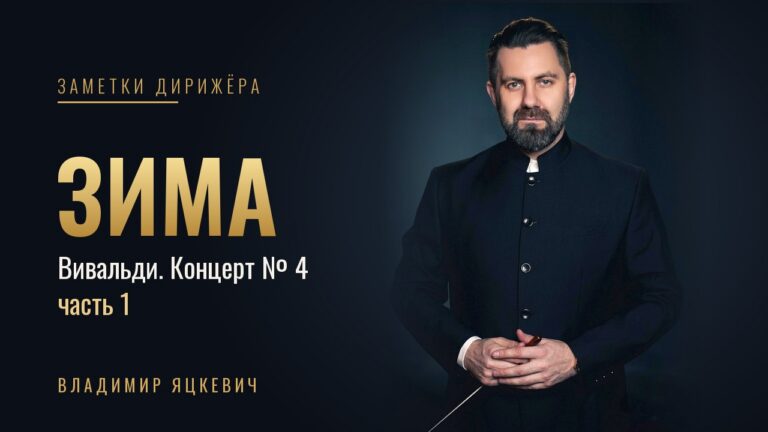
“Conductor’s Notes” is a series about what can be seen in the score and heard in the hall. If you enjoyed this one, watch the other episodes, for example on Vivaldi’s “Winter”; all the notes are collected on the Conductor’s Notes page. Conductor Vladimir Yatskevich is the founder and music director of the Moscow City Orchestra and works in opera, symphonic and choral music.
Questions and answers
Who wrote the waltz from “My Sweet and Tender Beast”?
The music for the film, including the famous waltz, was written by the Moldovan composer Eugen Doga (1937–2025). The waltz became his signature piece.
Who directed the film and what is it based on?
The director was Emil Loteanu. The film, made at the Mosfilm studio, is based on Anton Chekhov’s early novel “The Shooting Party” (also translated as “A Drama on the Hunt”).
When was the film released and who starred in it?
The film was released in 1978. It stars Galina Belyaeva (her debut in a major film), Oleg Yankovsky, Kirill Lavrov and Leonid Markov. It competed at the 1978 Cannes Film Festival.
What is “My Sweet and Tender Beast” about?
It is a story of love, jealousy and crime in provincial nineteenth-century Russia, based on Chekhov’s novel. At its centre is a young heroine, Olga, and the passions that flare up around her.
What metre is Doga’s waltz in and which instruments lead the theme?
It is a waltz in the classical three-beat metre, but in a minor mode, so it sounds uneasy and sad. In the orchestral version from our episode the theme is led by clarinets with the strings answering; a chorus is added to the sound.
Where can I watch the film?
The Mosfilm picture is available on official online platforms and streaming services, and is shown on television from time to time. Our episode contains only a musical analysis of the waltz.
What is “Conductor’s Notes”?
It is a series by conductor Vladimir Yatskevich about what can be seen in the score and heard in the hall: short videos and texts about works, composers and the orchestra.